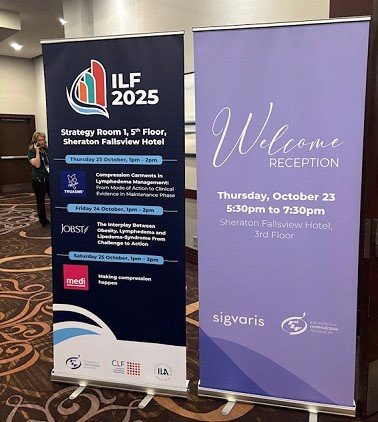
The 12th International Lymphoedema Framework (ILF) Conference took place from October 23-25, 2025, in Niagara Falls Cananda. This global event brought together clinicians, researchers and advocates from around the world to share insights, explore innovations and strengthen the lymphoedema community. The conference offered a dynamic platform to learn about the latest advancements in lymphoedema management and treatment
1. Why did you decide to attend the conference?
Attending the 12th International Lymphoedema Framework Conference in Niagara Falls, Canada marked my first international conference- a truly memorable experience. I feel incredibly fortunate that it was held in a country I’ve long wanted to explore, adding a personal layer of excitement to this professional journey.
My goal in attending was to broaden my horizons and deepen my clinical expertise in lymphoedema care. The conference offered a rich blend of global perspectives, cutting-edge research and meaningful connections that will undoubtedly enhance my practice moving forward.
2. How did the conference address my current challenges?
⦁ The masterclass by Professor Christine Moffatt was beneficial for me. What really stood out was the finding that chronic oedema patients are 7 times more likely to develop cellulitis with risk factors which include obesity (BMI> 30) and male diabetes (mixed results). It was a good reminder to be aware of risk factors.
⦁ Another workshop highlights the interconnected roles of the venous, arterial, integumentary, and lymphatic systems (VAIL) in wound healing. The health of the integument is dependent on the integrity and function of the entire VAILEN network. Effective skin and wound repair requires coordinated support from all vascular components, including the lymphatic system.
3. Were there any key takeaways or actions for the future?
When managing nutrition in patients with lymphoedema, it is essential to consider both frailty and sarcopenic obesity, as these conditions can significantly influence treatment outcomes and nutritional strategies.
LVA surgical techniques and lymph drainage for Alzheimer’s disease.
The glymphatic system is a brain-wide waste clearance pathway that uses cerebrospinal fluid (CSF) to flush metabolic waste from the brain’s interstitial spaces. This process is facilitated by meningeal lymphatic vessels, which drain into the systemic lymphatic system. During deep sleep, the glymphatic system becomes especially active, removing neurotoxic byproducts such as amyloid-beta. Impairment of this system has been linked to neurodegenerative diseases, highlighting the critical role of rest—particularly deep sleep—in maintaining brain health and promoting neurological restoration.
4. What’s memorable about the conference?
“Lymphoedema practice does not progress with complacency.”
This recurring sentiment is present in some presentations. It underscores a universal truth in healthcare: progress is driven by curiosity, not comfort. A healthy dose of questioning — of asking “why” and “what if” — is essential for breakthroughs in research and meaningful improvements in patient care.
GOT A QUESTION
Book a Session
Medical referral, DVA, self-referral and facility referral accepted. Please kindly note that gap applies for medicare plan (not payable via private health) and private health.